What Is Brand Marketing? (And Why It Actually Matters)

Most people think marketing means running ads. Post something, pay some money, get some customers. That’s it.
But here’s the problem — the moment you stop paying, the customers stop coming. You built nothing. No recognition. No trust. No reason for anyone to remember you tomorrow.
Brand marketing is the part of the game that fixes that. It’s what separates businesses people forget from businesses people come back to. In this post, I’m going to break down exactly what brand marketing is, how it actually works, why it matters — and most importantly — how you can start building a real brand even if you’re starting from zero.
This isn’t theory. This is the stuff I had to learn the hard way, and I’m going to make it as clear as possible for you.
What Brand Marketing Actually Means
Brand marketing is the strategy of promoting your business by building and communicating who you are — not just what you sell.
Think about it this way. When someone says “Nike,” you don’t think about shoes. You think about performance, athletes, pushing limits. That mental connection — that feeling — is the result of years of brand marketing. Nike didn’t just sell you footwear. They made you believe something about yourself when you wear their products.
That’s the power of brand marketing. It works on perception. It shapes what people think and feel about your business before they ever spend a single dollar with you.
Brand marketing covers everything that answers the question: “Why should anyone care about this business?” Your logo, your brand colors, your tone of voice, the way you respond to comments, the story behind why you started — all of it is brand marketing. It’s the full picture your audience builds in their mind when they encounter you.
Brand Marketing vs. Regular Marketing — What’s the Difference?
This is where most beginners get confused, so let me make it clear.
Regular marketing (often called product marketing) is focused on a specific thing — usually getting someone to buy right now. “Buy this course.” “Download this tool.” “Click here and save 20%.” It targets a single product, a single offer, a single moment in time.
Brand marketing plays a longer game entirely. It’s not trying to make you buy today. It’s trying to make sure that when you’re ready to buy — tomorrow, next month, next year — you think of this brand first.
Here’s a simple way to see the difference:
- Product marketing says: “Here’s what we sell and why you should buy it.”
- Brand marketing says: “Here’s who we are and why you should trust us.”
You need both. But most people only do the first one. They push offers and wonder why nobody responds. The truth is — people don’t buy from strangers. They buy from brands they recognize and trust. Brand marketing is what builds that recognition and trust before the sale even happens.
Research suggests that 81% of consumers need to trust a brand before they even consider making a purchase. That trust doesn’t come from one ad. It’s built over time through consistent brand marketing.
The Core Elements of Brand Marketing
Brand marketing isn’t just one thing. It’s a combination of several elements working together. Here’s what makes it up.
Brand Identity
Brand identity is everything visible and audible about your brand. This includes your logo, your color palette, your typography, and your overall visual style. Studies suggest that using a consistent signature color alone can increase brand recognition by up to 80%. That’s not a small number. Visual consistency is how people start recognizing you before they even read a single word.
Your brand identity needs to feel the same everywhere — on your website, your social media profiles, your thumbnails, your email newsletters. When things look disjointed, people subconsciously sense it. Inconsistency reads as unprofessionalism, even if they can’t explain why.
Brand Voice and Tone
Your brand voice is how you communicate — the personality behind your words. Some brands are formal and authoritative. Some are casual and friendly. Some are bold and provocative. None of these is wrong. What’s wrong is being a different personality every time you show up.
I made this mistake early with my own content. Some posts sounded like a corporate blog. Some sounded like a personal diary. The result was that nobody could get a clear picture of who I was. Once I locked in a consistent voice — direct, honest, no hype — everything started clicking better.
Your brand voice should match who you actually are and who your audience actually is. For me, that means writing like I’m talking to a smart younger cousin who’s curious about online business. That’s the tone I aim for every single time.
Brand Values and Mission
This is what your business actually stands for. What do you believe? What problem are you here to solve? What would you refuse to do, no matter the money?
When I built Maxbe Marketing, the mission was clear from day one — provide honest, data-driven marketing that actually moves the needle. No fake traffic. No inflated reports. No overpromising. That’s a value statement. It shapes every decision, every client interaction, every piece of content I create.
Your values are what attract the right audience and repel the wrong one. That’s a good thing. A brand that tries to be everything to everyone ends up being nothing to nobody.
Brand Positioning
Brand positioning is how you fit in the market relative to everyone else. It answers the question: “Why should someone choose you over the alternatives?” This could be your price point, your niche specialization, your approach, your personal story, or your audience.
For me, my positioning is clear. I’m not a Western marketing guru with a big team and a $10,000 course. I’m a guy from a small town in Dinajpur, Bangladesh, who figured out SEO, affiliate marketing, and online business with limited resources — and I teach it in a way that works for people who don’t have perfect conditions either. That’s a positioning statement. It’s specific, it’s true, and it speaks directly to the people I’m trying to reach.
Brand Consistency
Everything above means nothing if you aren’t consistent. According to research, around 68% of organizations report that brand consistency has contributed at least 10% to their revenue growth. Consistency is what turns single visits into loyal audiences.
Consistency doesn’t mean boring. It means your audience always knows what to expect when they encounter you. Same quality. Same voice. Same values. Even if you’re experimenting with new formats or topics, the brand underneath stays the same.
Why Brand Marketing Matters More Than Most People Realize
Let me be straight with you. When I was just starting out, I didn’t think about brand marketing at all. I thought marketing meant pushing offers. I ran CPA campaigns with no traffic strategy and no recognizable presence. Nothing worked.
The reason nothing worked wasn’t just a lack of traffic or technical knowledge. It was that nobody knew who I was. There was no brand. No reason to trust me. No identity that made me different from the thousands of other people promoting the same things.
Brand marketing matters because people buy from people — and brands they feel connected to.
Research consistently shows that 94% of consumers recommend brands they feel emotionally connected with. Think about what that means. Emotional connection, driven by brand marketing, turns your existing customers into unpaid promoters. That’s the most powerful form of growth that exists, and it costs you zero dollars per click.
Brand marketing also protects you from competition. If you compete only on price or features, someone can always undercut you. But if you compete on identity, trust, and story — that’s almost impossible to copy. Nobody else has your story. Nobody else has built the exact same relationship with your exact audience.
Organic traffic and brand recognition also compound together. The stronger your brand, the more people search for you directly. Direct branded searches are a massive SEO signal that tells Google you’re a real authority — which pushes your rankings up, which brings more traffic, which builds more brand recognition. It’s a flywheel, and brand marketing is what starts it spinning.
How Brand Marketing Works in Practice — A Real Example
Let me give you a concrete example so this stops feeling abstract.
Take Apple. Apple doesn’t just market products. Every single piece of their communication reinforces the same idea: creativity, simplicity, and thinking differently. Their ads rarely talk about processor speeds or storage capacity. They show artists creating, musicians performing, families connecting. The product is almost secondary. What they’re really selling is an identity.
Now let’s bring this closer to home — to the kind of business most of us are actually building.
When I post content on YouTube or write on this blog, I’m not just trying to rank for keywords (though that matters). Every piece of content I put out is reinforcing a brand message: “Here is someone who learned online marketing from scratch, in a small town in Bangladesh, with no shortcuts — and who will give you the honest truth about what works and what doesn’t.” That’s my brand. Every post, every video, every reply to a comment either builds that brand or weakens it.
That’s what brand marketing looks like for a small creator or business. It’s not a Super Bowl ad. It’s the consistent story you tell through every single touchpoint your audience has with you.
How to Start Building Your Brand Marketing Strategy
You don’t need a big budget to do this. You need clarity and consistency. Here’s how to get started.
Step 1 — Define Your Brand Foundation
Before you design anything or post anything, answer these four questions:
Who are you? What do you believe? Who do you serve? And what makes you different?
Write the answers down. Not in vague terms — be specific. “I help beginner affiliate marketers in South Asia build their first sustainable income stream using SEO, without paid ads.” That’s a brand foundation sentence. It tells you exactly who you are, who you serve, and how you’re different.
Step 2 — Build a Consistent Visual Identity
Pick a color palette and stick to it. Pick a font style and stick to it. Design a logo — even a simple one — and use it everywhere. Your blog, your YouTube channel art, your social media profiles, your email signature. Consistency here is more important than perfection. A simple, consistent look outperforms a beautiful but disjointed one every single time.
There are free tools like Canva that make this completely accessible even if you have no design background. I use Canva for most of my visual content, and it works perfectly well.
Step 3 — Develop Your Brand Voice
Write down three to five adjectives that describe how you want to sound. Direct. Honest. Practical. Encouraging. Bold. Whatever fits you and your audience. Then make sure every piece of content you publish matches those adjectives.
Test it like this: read a random piece of your content out loud. Does it sound like the same person wrote all of it? If not, you need to tighten your voice.
Step 4 — Show Up Consistently
This is the hardest part, and the most important. Brand marketing doesn’t happen in one launch or one viral post. It happens through repeated exposure over time. Research suggests that it takes multiple exposures to a brand before someone begins to recognize and trust it — and many more before they buy.
Pick the channels that make the most sense for your audience and show up there consistently. For me, that’s this blog and my YouTube channel. I don’t try to be everywhere. I go deep in the places where my audience actually is.
Step 5 — Tell Your Story
This is the part most small brands skip — and it’s their biggest missed opportunity. People don’t connect with businesses. They connect with people and stories.
Your origin story, your struggles, your failures, your turning points — these are brand marketing gold. They differentiate you in a way no logo ever can. I’ve been open about my failures on this blog: the failed CPA campaigns in 2021, the World Winner CPA project that went nowhere in 2023. Those stories don’t make me look weak. They make me credible. They show that I’ve earned the knowledge I’m sharing.
Whatever your story is, tell it honestly. The internet has plenty of people pretending they got it right the first time. Be the one who tells the truth.
Common Brand Marketing Mistakes to Avoid
Even people who understand brand marketing make these errors. Watch out for them.
The first big mistake is inconsistency across platforms. Your Twitter/X profile looks completely different from your website, which sounds nothing like your YouTube channel. Audiences are smart. They pick up on this fast, and it erodes trust.
The second mistake is chasing trends at the expense of identity. Every week there’s a new content format or viral style. Jumping on every trend without filtering it through your brand voice makes you look desperate and scattered. Adopt trends only if they genuinely fit your brand.
The third mistake is focusing only on product marketing and neglecting brand. You push offers constantly and wonder why the conversion rates are low. People need to know you before they’ll buy from you. Build the brand first, then sell.
The fourth mistake is trying to appeal to everyone. A brand that stands for nothing specific stands for nothing. Define your audience tightly. Speak directly to them. Let everyone else scroll past — they were never going to buy from you anyway.
The fifth mistake is stopping when results aren’t instant. Brand marketing is a long-term investment. It compounds. The brands that win are the ones who kept showing up when there was no evidence it was working yet.
Frequently Asked Questions About Brand Marketing
What is the difference between branding and brand marketing?
Branding is the act of creating your brand’s identity — your logo, colors, mission, voice, and values. Brand marketing is the process of actively promoting and communicating that identity to your target audience. Branding is what you build; brand marketing is how you put it in front of the right people.
How long does it take to see results from brand marketing?
Brand marketing is a long-term strategy, not a quick-win tactic. Most businesses start seeing meaningful brand recognition and trust-building results after several months of consistent effort. The timeline depends on your niche, your consistency, and the channels you use — but research suggests it takes multiple exposures before a person begins to recognize and trust a brand. Don’t expect overnight results; expect compounding ones.
Can small businesses do brand marketing on a small budget?
Absolutely — and honestly, a tight budget forces you to focus on what actually matters. You don’t need expensive agencies or big ad spends. You need a clear identity, a consistent voice, and the discipline to show up regularly. Free tools like Canva for visuals, a blog for content, and social media for distribution are enough to build a real brand from scratch.
Is brand marketing the same as content marketing?
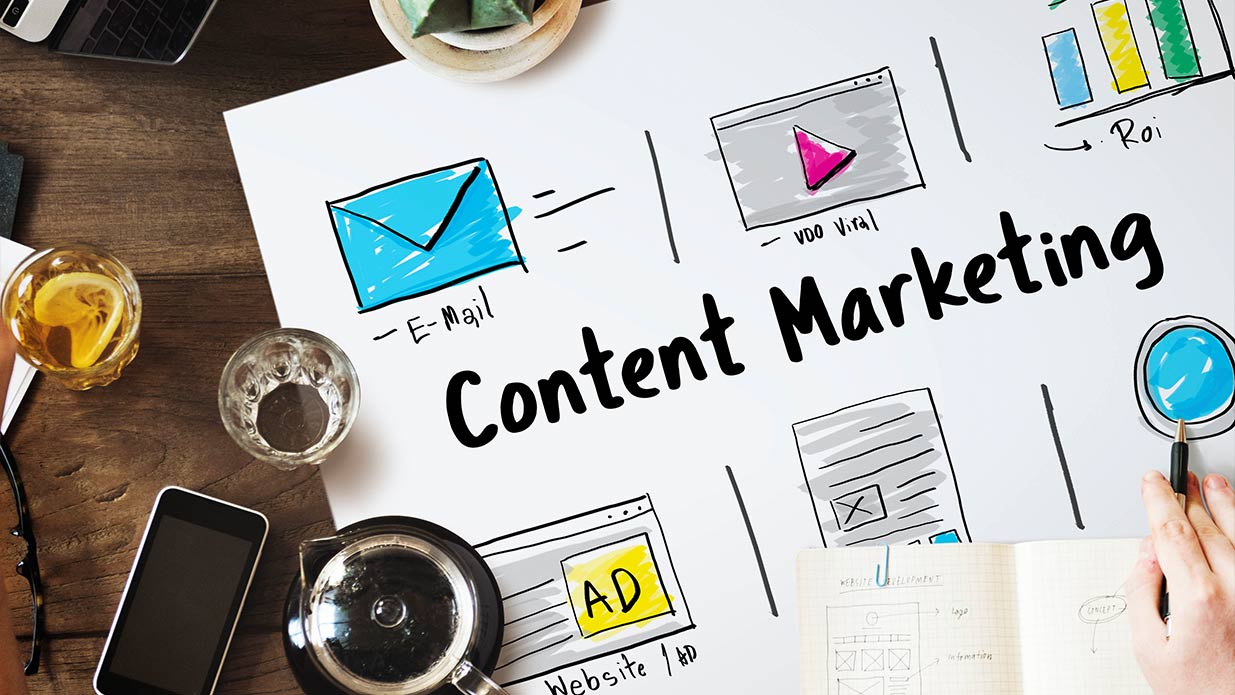
They are closely related but not the same thing. Content marketing is one of the most powerful tools for brand marketing — but brand marketing is the broader strategy. Brand marketing covers your visual identity, positioning, and emotional messaging, while content marketing is the ongoing creation of valuable content to attract and engage your audience. Think of content marketing as a major channel inside your brand marketing strategy.
Why do some businesses skip brand marketing and still make sales?
They can — short term. Product-only marketing can drive sales when you have a great offer and enough budget. But without brand marketing, every sale costs you the same amount of effort and money as the last one. There’s no compounding. No loyalty. No word-of-mouth. The moment the ads stop or the offers get old, the business flatlines. Brand marketing is what builds the asset underneath the sales machine.
How does brand marketing help with SEO?
A strong brand directly supports your SEO performance in several ways. When more people search for your brand name directly, Google recognizes you as a trusted authority and gives you better rankings. A recognizable brand also earns more backlinks naturally, because people reference brands they know. Higher trust leads to better click-through rates from search results, which is another positive ranking signal. Brand marketing and SEO are not separate strategies — they work best together.
What are the most important elements of brand marketing for a beginner?
For someone just starting out, focus on three core things first: your brand identity (a consistent visual look), your brand voice (a clear and consistent tone across all content), and your story (why you exist and what you believe). Get those three things right before worrying about anything else. Everything else — positioning, brand campaigns, advanced strategy — builds on top of that foundation.
Final Thoughts: Your Brand Is the Business, Not Just the Logo
Brand marketing is not a luxury for big companies with big budgets. It’s the foundation that every sustainable business — big or small — is built on.
The most important things to take away from this post are these: brand marketing is about building trust and recognition before the sale, not just at the point of sale; it works through consistency across your identity, voice, story, and values; and it compounds over time in a way that no paid ad campaign ever can.
You don’t need to be Nike. You don’t need a design team or a branding agency. You need clarity on who you are, consistency in how you show up, and the patience to keep building even when results feel slow.
I started from nothing in a small town with a second-hand computer. The internet genuinely doesn’t care where you’re from or what your budget is. What it rewards is value, consistency, and trust — and all three are available to you starting today.
If you want professional help building your brand’s online presence, my agency Maxbe Marketing works with businesses of all sizes to do exactly this — honest, data-driven marketing that builds something real.
And if you want to keep learning, I cover brand marketing, SEO, affiliate strategy, and online business in depth on my YouTube channel — search @cpabishojit and you’ll find everything there.Here’s my question for you: Right now, if someone landed on your website or social media profile for the first time, could they tell in 10 seconds who you are, who you help, and why they should trust you — yes or no? Tell me in the comments below.